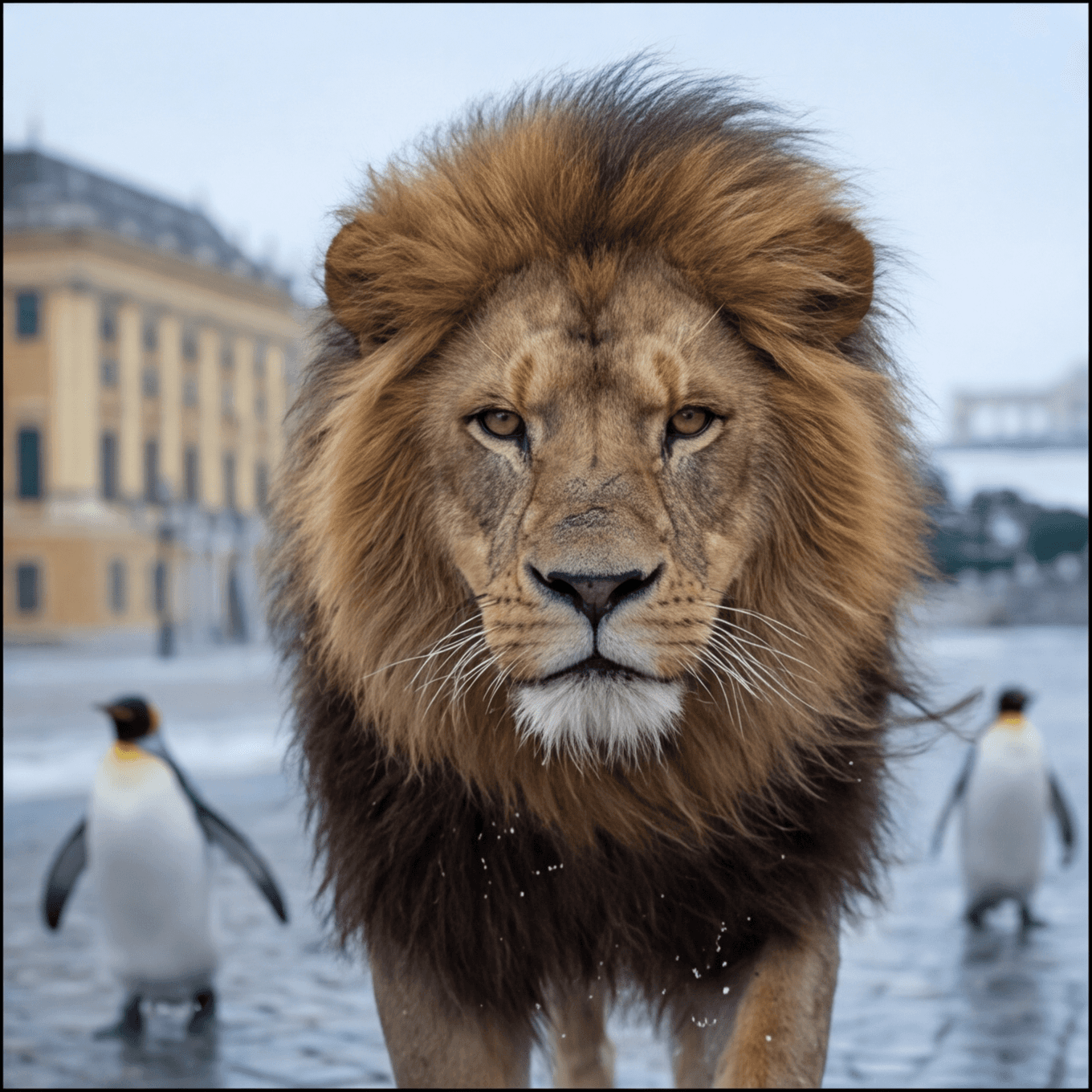
When does an AI commercial make sense, and when a classic shoot? AI wins on speed, variants and images no set can deliver. A shoot stays the right call when real people need to appear.
Category:
Comparison
Author:
Thong Bouamalay
Read:
2 min
Location:
Vienna
Date:

Where an AI commercial is stronger
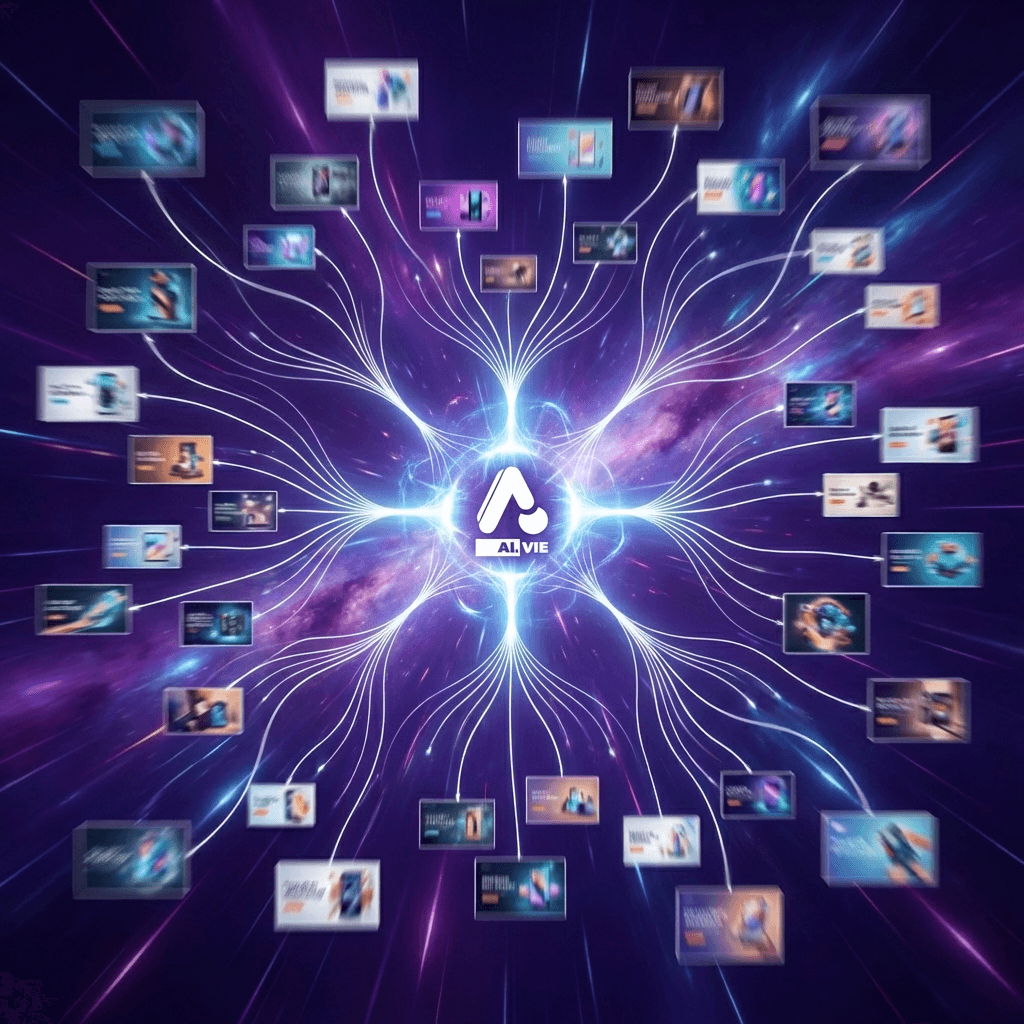
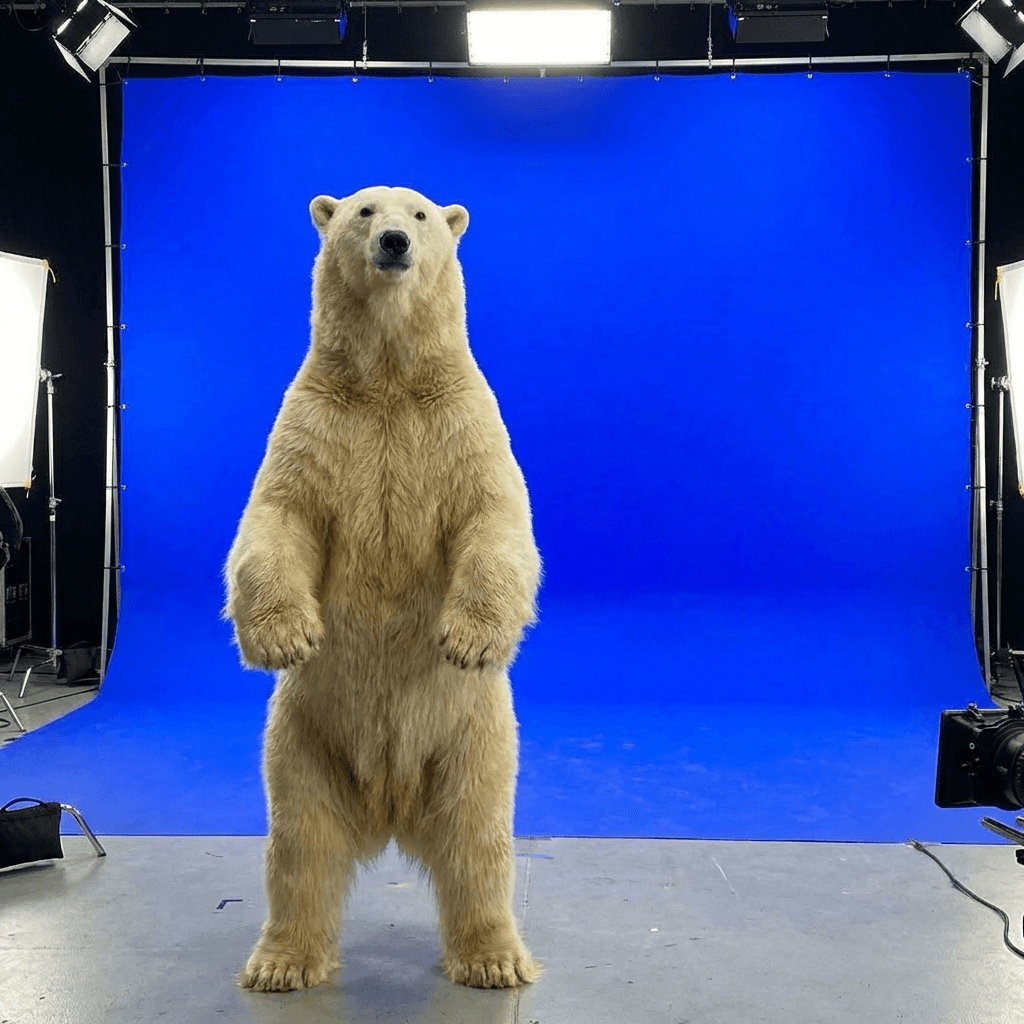
Speed. There are no shooting days, no location scouting and no casting. From brief to finished spot it usually takes one to three weeks, and a changed scene, product or message does not require a reshoot. Variants. A shoot typically delivers one film and a handful of cuts. From one AI concept you can get 20 to 100 variants: different openings, lengths, formats, languages and markets, all from the same production. Images. A cat that collects coins across Rome, a polar bear in a studio, a product world that exists nowhere. Ideas that fail on set because of animals, permits, weather or physics are simply scenes to an AI production. Budget. Set, cast and travel are not needed. That is why an AI commercial usually costs a fraction of a classic shoot. What stays the same in both worlds: idea, script, direction and edit are manual work. AI replaces the camera, not the thinking.
Where a classic shoot remains the better choice
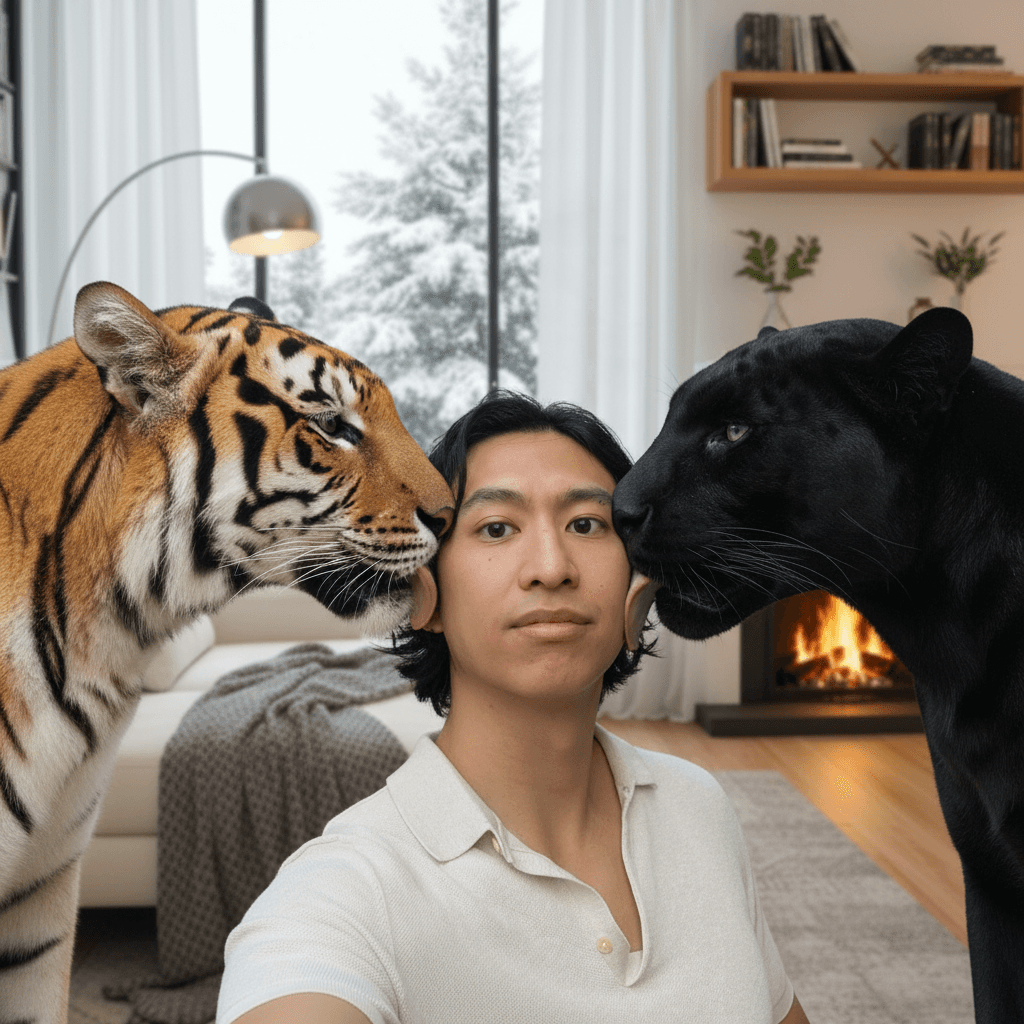
Real people. If your founder, your team, a brand ambassador or real customers should appear, you need the real person in front of a camera. Testimonials live on being genuine, and a generated double would undermine exactly the trust that person is supposed to bring. Real events. A product launch on stage, a factory tour, a documentary look at your work: what actually happened should be filmed, not generated. Proof on the real product. If the film has to demonstrate how something works, for example a before and after or a function in use, the real recording carries the credibility. Viewers expect that what is shown as proof is real. Existing footage. If good material already exists, it is often faster to build on it than to start from zero.
Five questions that settle it
1. Does a real person have to be seen? Then shoot, or combine both. 2. Do you need more than one version? Then AI. Generated scenes can be changed one by one, a shot film cannot. 3. Could the idea be shot at all, and at what cost? If the answer involves animals, crowds or impossible places, then AI. 4. How fast does the spot have to go live? If it is a matter of weeks, then AI. 5. Does the film have to prove something on the real product? Then shoot. Often the honest answer is both. Real footage for people and product proof, AI for worlds, transitions and the many variants paid social needs. We combine AI generated scenes with existing material and hybrid productions, depending on what gets you to the goal fastest. Not sure which side your project falls on? That is exactly what the strategy call is for.